Home / Locations / Claude AI in Argentina
Claude AI · Argentina · Checked November 2026
Claude AI in Argentina: an old data law, a pending reform and practical training
Argentina has one of the oldest data protection laws in Latin America and a workforce that sells software, wine, grain and engineering to the rest of the world. So the questions we hear from Buenos Aires, Córdoba and Mendoza are specific. Does Ley 25.326 allow this? Will a foreign subscription be a headache for finance? Will the text sound Argentine? Here is what we know as of this month.
Enquiries
Tell us about your team in Argentina
Share team size and what you export or deliver. We reply with a plan and dates in Argentina Time (UTC-3, no clock changes).
Reply within one working day. No sales sequence, no mailing list.
The basics
Four things Argentine teams check first
Availability. Argentina is among the countries Anthropic lists as supported. Our check was in November 2026 at anthropic.com/supported-countries. Treat that page, not this one, as the reference on the day you subscribe.
Payment. Subscriptions are paid by card. Anthropic prices in a local currency only in markets where it has introduced one, and we found nothing confirming a peso price. Plan for a US dollar charge. The tax and exchange treatment of foreign-currency card payments in Argentina has changed many times, so your finance team should confirm the current position before seats are bought.
Spanish. Claude’s Spanish is strong. It can write with voseo and local vocabulary when told to, and the interface offers Spanish (Latin America).
Data law. Ley 25.326 from the year 2000 still governs, supervised by the AAIP. A replacement bill is in Congress.
Ley 25.326
Personal data rules: what is in force and what is only proposed
The Ley de Protección de los Datos Personales, number 25.326, dates from 2000. The supervisor is the Agencia de Acceso a la Información Pública (AAIP). On the strength of that framework, the European Commission recognised Argentina as providing adequate protection in 2003 and confirmed the decision in its review published on 15 January 2024. Argentina also ratified the Council of Europe’s modernised Convention 108+ in 2023.
That adequacy status covers data arriving from Europe. It does not settle what you may send out. Ley 25.326 restricts transfers of personal data to countries without adequate protection unless a recognised safeguard, such as consent or a suitable contract, is in place. Since Claude is operated from abroad, ask counsel which safeguard applies before personal data goes into it.
A full reform has been debated for years. The AAIP drafted a new regime through public consultation, the Executive sent it to Congress in 2023, and it lost parliamentary status. It was refiled in the Chamber of Deputies in July 2026 as file 3397-D-2026 and would repeal Ley 25.326. We found no report of it being passed, so the 2000 law is what you comply with today.
On AI specifically, there is guidance rather than statute. AAIP Resolution 161/2023 created a programme on transparency and personal data protection in the use of AI, and the agency has published a guide for public and private bodies that recommends impact assessments before deploying AI systems.
This is orientation from a training provider, not legal advice.
Leave out entirely
DNI numbers, CUIL and CUIT of individuals, health and union data, and anything else Ley 25.326 classes as sensitive.
Anonymise before use
Client lists, payroll, support tickets and CVs. Replace the person with a code and keep the key in your own systems.
Fine to work with
Technical specifications, public tenders, published regulations, product sheets, and financial models without personal details.
Sectors
Argentine sectors and realistic first tasks
Argentina’s exporters share one trait: small teams handling a great deal of foreign-language paperwork. That is the common thread in the list below.
Software and knowledge-economy services
Development shops in Buenos Aires and Córdoba working for clients abroad: Claude Code inside the engineering workflow, statements of work in English, and plain summaries of long client requirement documents.
Grain and oilseed trade
Companies around the Rosario port complex: reviewing charter and supply contract terms side by side, summarising market reports, and drafting shipment status updates.
Vaca Muerta energy services
Contractors in Neuquén: condensing technical bid documents, preparing HSE procedure drafts for expert review, and writing daily-to-weekly operational summaries.
Lithium in the northwest
Projects in Salta, Jujuy and Catamarca: organising environmental and community documentation, and drafting progress notes for foreign partners in English.
Wine from Mendoza
Technical sheets, importer correspondence and label-text drafts in several languages, built from one approved Spanish source.
Accounting and finance teams
Explaining variance in management reports, drafting notes for foreign parent companies, and summarising new AFIP and central bank rules for internal circulation.
Example workflow
A Mendoza winery preparing one vintage for three importers
What follows is a classroom scenario, written to show the method. It does not describe a customer of ours. A mid-sized winery in the Uco Valley sells the same Malbec to importers in Brazil, the United States and the United Kingdom. Each importer wants a technical sheet in its own format and language, plus answers to a slightly different product questionnaire.
The export manager keeps one master document in Spanish: vineyard, harvest dates, analysis figures, ageing and allergen statements. In a Claude Project, she attaches the master and each importer’s template. The standing instruction says to use only figures from the master, to keep units as written, and to flag any template field the master cannot answer.
Claude produces the three sheets in Portuguese and English. The winemaker checks the numbers against the lab report, and a Portuguese-speaking colleague reads the Brazilian version. What changes is the order of work: people verify three drafts instead of typing three documents. If the Brazilian importer’s team wants similar training, we cover Brazil separately.
Castellano rioplatense
Making Claude write the way Argentines do
By default Claude tends towards a neutral Latin American Spanish. That suits a contract or a report. It can sound distant in a marketing email to customers in Rosario. Add one line to your prompt: write in Argentine Spanish with vos, and say who the reader is. Paste two real examples of your own writing and the tone improves further.
Teams that sell into Europe sometimes need the opposite, a text in Peninsular Spanish for a buyer in Madrid. Claude handles that switch on request, and our page for Spain explains the rules on that side. Sessions with us are run in English, while prompts and exercise documents can be in Spanish throughout.
Formats
How training is organised for Argentina
Live online in Argentina Time
The whole country keeps UTC-3 year-round with no daylight saving. We agree session blocks that sit within Buenos Aires office hours, spaced so participants can try things on real work in between.
Leadership conversation
A focused session for owners and directors on capability, limits, Ley 25.326 and how to pick a first pilot that finance will support.
Onsite by arrangement
Face-to-face delivery in Argentina is considered for larger groups and scheduled individually.
We quote after a short call about group size and goals. There is no public price list and no fixed calendar.
Your trainer
Who you will learn from
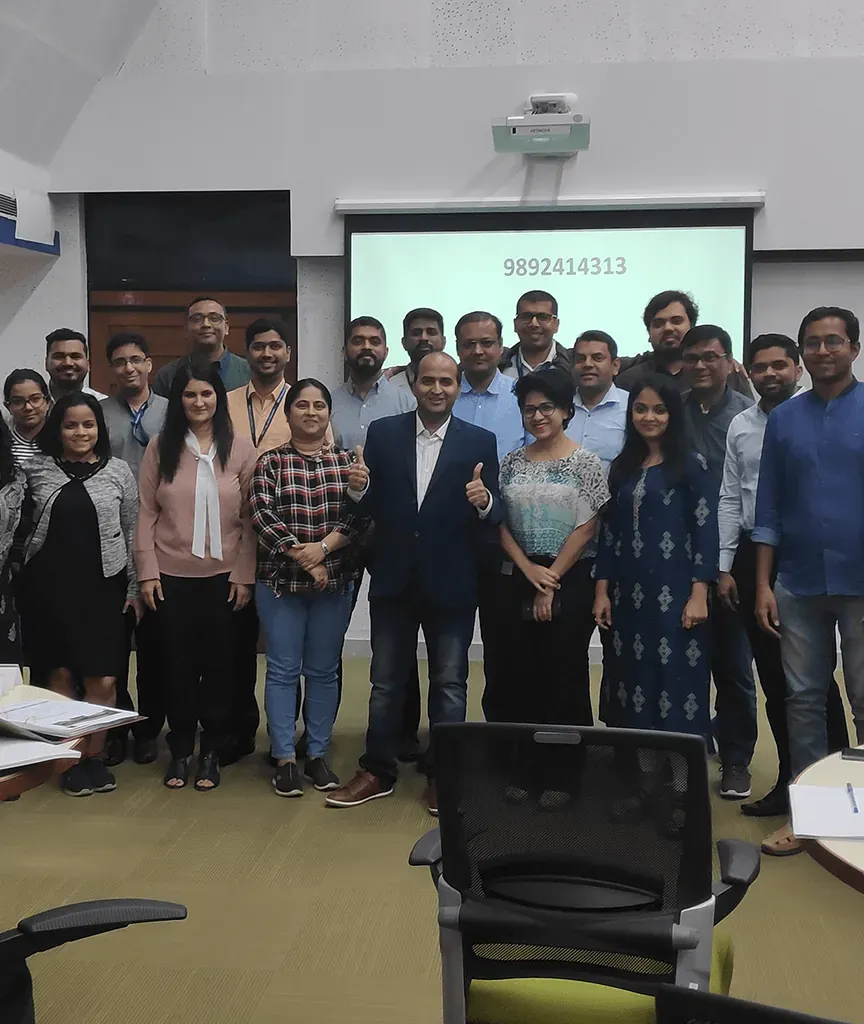
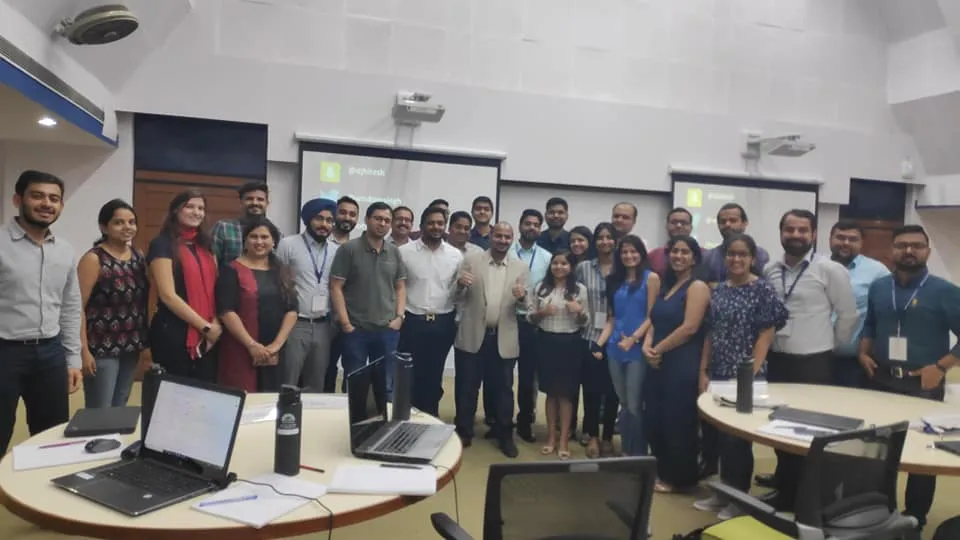
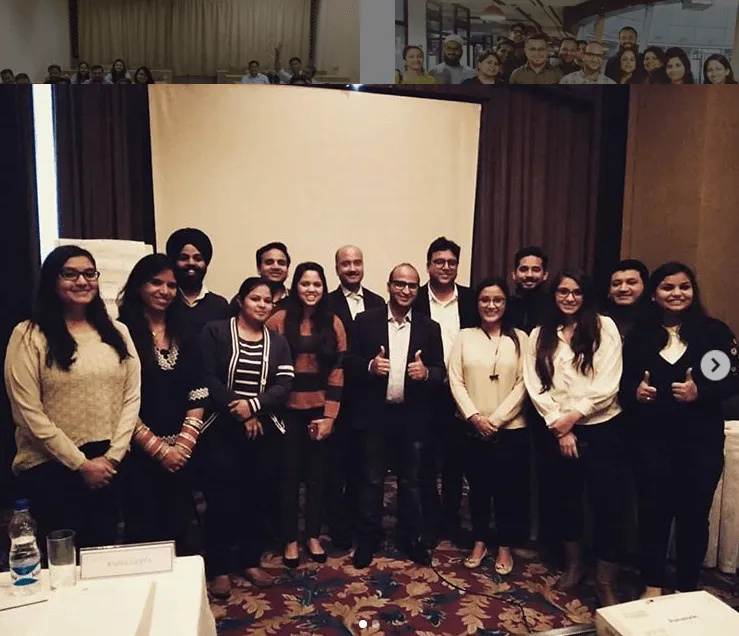
Your trainer is Hitesh Motwani, an Anthropic Claude Certified trainer. He wrote the book Generative AI 360 for ZebraLearn and has trained 200,000+ professionals, from executive programmes at IIM Bangalore to corporate teams across India, the Gulf and beyond. The images below show previous in-person sessions held in India.
Consultas
Argentina: common questions about Claude
Does Anthropic support Argentina?
Yes, Argentina is on the supported countries list we checked in November 2026. Verify on Anthropic’s site when you subscribe.
Can we pay in Argentine pesos?
Nothing we read confirms a price in pesos. Expect a card charge in US dollars and ask your finance team how such charges are currently taxed and settled.
Is Ley 25.326 still the law, or has the reform passed?
Ley 25.326 is still in force. A reform bill was refiled in July 2026 and, as far as we could verify, has not been approved.
Does EU adequacy mean we can put any data into Claude?
No. Adequacy concerns data flowing from the EU to Argentina. Sending personal data from Argentina to a foreign provider is a separate question under Ley 25.326.
Has the AAIP said anything about AI?
Yes. Resolution 161/2023 set up a programme on AI, transparency and data protection, and the AAIP published a guide for responsible AI use by public and private entities.
Will Claude use vos or tú?
Whichever you request. Without instruction it often picks a neutral register, so say Argentine Spanish and name the audience.
Do developers get a separate track?
Yes. Software teams can take a hands-on Claude Code session based on their own repository and review habits.
In what language is the course taught?
English. Participants write prompts in Spanish when they prefer, and a bilingual teammate helps where English levels vary.
Talk to us about Claude training in Argentina
Tell us who would attend and which export, finance or engineering documents cost you the most hours. We respond with an outline and proposed dates in Argentina Time.