Home / Locations / Claude AI in the USA
Claude AI · United States · Checked November 2026
Claude AI in the USA: the state-law patchwork, HIPAA and training that fits four time zones
American teams rarely ask whether they can buy Claude. They ask which rules apply when the sales team sits in Texas, the claims team in Ohio and the customers in California. They ask whether health or financial data can go anywhere near it. And they ask how to train people spread from Boston to Seattle without wrecking anyone’s calendar. This page takes those questions in order.
Enquiries
Tell us about your team in the USA
Tell us which states and time zones your people work in, and we will propose session times that work for the whole group.
Reply within one working day. No sales sequence, no mailing list.
Quick answer
Can US companies use Claude, and what should they check first?
Access. The United States is on Anthropic’s list of supported countries and regions. The list is updated from time to time, so confirm it at anthropic.com/supported-countries before a purchase.
Billing. Plans are priced and billed in US dollars. Most companies start with a Team plan on a corporate card and move to Enterprise when procurement wants invoicing, single sign-on and wider admin controls.
Language. English is Claude’s strongest language. US Spanish is also strong enough for customer letters and internal notices, with a bilingual reviewer before anything goes out.
Data. There is no single federal privacy law that covers everything. What applies depends on the data (health, financial, children’s), the states where your customers live, and your own contracts. The next section is the short version.
Rules
US privacy and AI rules a Claude rollout runs into
The US has no comprehensive federal privacy statute. Instead, sector laws cover particular kinds of data, and a growing list of states have passed their own consumer privacy laws. A December 2025 executive order told federal agencies to push back on state AI laws, but an executive order does not repeal state statutes on its own. For now, the state rules are the ones to plan around.
California. The CCPA, as amended by the CPRA, is the law most national companies already design for. New California Privacy Protection Agency regulations took effect on 1 January 2026. They add risk assessments for certain kinds of processing and rules for automated decision-making technology, with the ADMT obligations applying from 1 January 2027 for businesses using it in significant decisions.
Colorado. This one has moved a lot, so read carefully. The original Colorado AI Act (SB 24-205) was due to start in February 2026, was pushed to 30 June 2026, and was then repealed and replaced by SB 26-189, signed on 14 May 2026. The new law focuses on notice, explanation and human review for automated decisions, takes effect on 1 January 2027, and enforcement waits on Attorney General rulemaking. If you read older articles describing impact assessments under the 2024 Act, they are out of date.
Health data. HIPAA governs protected health information held by covered entities and their business associates. Before any PHI goes into an AI tool, your privacy officer needs a business associate agreement in place that covers the specific product and plan. Ask Anthropic’s sales team what is available for your setup rather than assuming.
We are trainers, not your legal counsel. Use this as orientation for your own privacy and legal teams.
Keep out of Claude
Social Security numbers, PHI without a BAA in place, card data, and anything your contracts with customers forbid you to share with sub-processors.
Clean up first
CRM and HR exports. Swap names and emails for IDs, and remove free-text notes where people tend to write sensitive details.
Normal working material
Policies, SOPs, public filings, RFPs, product documentation, and de-identified data, on a business plan where your inputs are not used for model training.
Where it fits
US industries and the Claude work that pays back first
These are the sectors that most often ask us about Claude, with the tasks we would build the first exercises around.
Healthcare and health insurers
Summarising prior-authorisation policies, drafting member letters at a set reading level, and comparing payer contract terms. PHI stays out until the BAA question is settled.
Banking and asset management
Reading 10-K and 10-Q filings side by side, drafting credit memo sections from analyst notes, and mapping internal policy to new regulator guidance.
Software and SaaS
Claude Code for engineering teams, plus release notes, support macros and security questionnaire answers drawn from an approved knowledge base.
Manufacturing and logistics
Turning supplier quality reports into corrective-action drafts, and checking freight and customs paperwork against a checklist before it ships.
Insurance and claims
Summarising long claim files, flagging missing documents, and drafting adjuster correspondence that a human signs.
Professional services
Proposal drafts from past wins, engagement letter comparisons and research memos, with citations checked by the person who signs the work.
Example workflow
Illustrative: one policy update rolled out across a 30-state footprint
This is an illustrative exercise from our sessions, not a client case study. A regional insurer updates its claims-handling policy and needs a summary for adjusters in every state it writes business in, noting where state rules differ.
The team builds a Claude Project with the new policy, the old policy and a table of state-specific requirements its compliance team already maintains. The instruction is narrow: compare old and new, list each change, and only cite state differences that appear in the provided table. Claude produces a change log and a draft summary per region. Compliance reviews the change log line by line, which is far quicker than writing it, and the regional managers get one consistent document instead of five versions written from memory.
Formats
How we run Claude training for teams spread across the US
Live online, scheduled across time zones
The contiguous US runs from Eastern (UTC-5, UTC-4 in summer) to Pacific (UTC-8, UTC-7 in summer), with Arizona and Hawaii not moving their clocks. We agree session times with you so both coasts can attend, and split large groups into cohorts when one slot cannot cover everyone. We do not run a fixed public timetable.
Leadership briefing
A 90-minute session for executives on what Claude does well, where it fails, the state-law points above, and a realistic first pilot. It ends with an agreed list of use cases and owners.
Onsite by arrangement
For a single office with a large group, in-person delivery can be arranged. We plan onsite dates around existing travel and confirm them on the first call.
Sessions are delivered in English and built on your own documents. For teams in New York, see our Claude AI training in New York City page, which covers the city’s own hiring-tool rule and local sectors.
Your trainer
Who leads the training
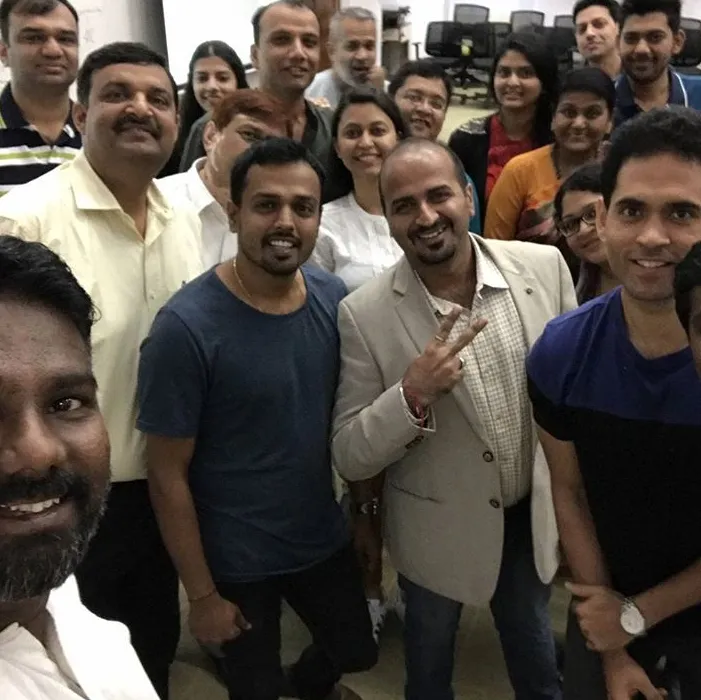
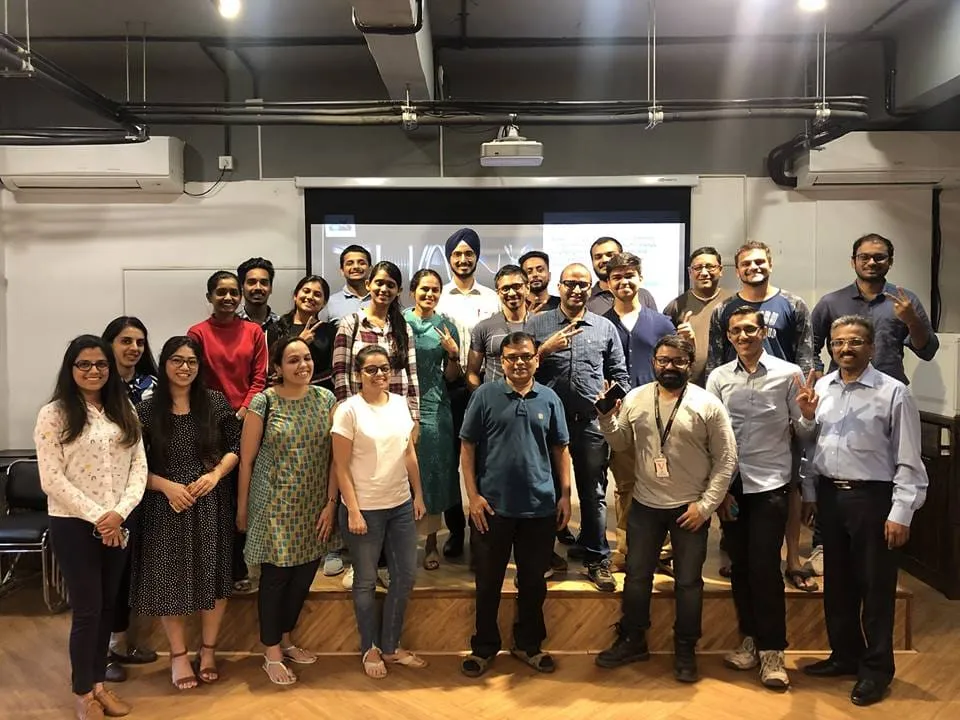
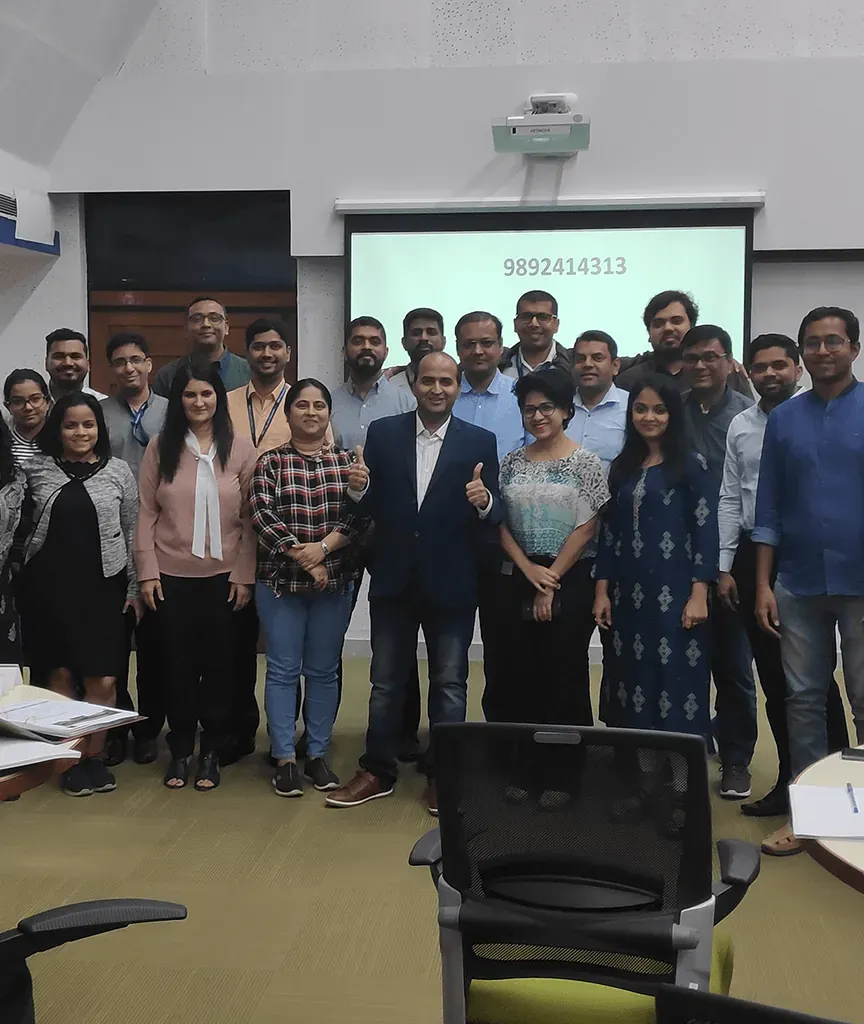
Sessions are run by Hitesh Motwani, an Anthropic Claude Certified trainer and the author of Generative AI 360 (ZebraLearn). He has trained more than 200,000 professionals, including executive programmes at IIM Bangalore and corporate teams across India, the Gulf and beyond. The photos are from earlier in-person programmes.
Your questions
Claude AI in the USA: common questions
Is Claude available in all 50 states?
Yes. Availability is set at country level, and the United States is on Anthropic’s supported list. State law affects how you use it, not whether you can buy it.
Does the Colorado AI Act apply to us in 2026?
The 2024 Act was repealed and replaced by SB 26-189 in May 2026. The new law takes effect on 1 January 2027, and enforcement depends on Attorney General rules that were still pending when we checked. If you make automated decisions about Colorado residents, put it on your counsel’s list now.
Can a hospital or clinic use Claude with patient data?
Only once HIPAA requirements are met, including a business associate agreement covering the product you use. Until then, train staff on de-identified examples and non-patient documents.
We use AI to screen job applicants. What should we watch?
Employment decisions attract the most AI regulation at state and city level. New York City already requires bias audits for automated employment decision tools, and California and Colorado have automated-decision rules coming. Keep a human making the decision and document it.
Which Claude plan should a US company start with?
A Team plan for a pilot group, so data is excluded from model training by default and admins control access. Enterprise makes sense once you need SSO, audit logs and organisation-wide policy.
Can you train developers on Claude Code as well?
Yes. We run a separate hands-on track for engineers, built on your own repository, branching rules and review process.
How do you handle a team split between New York and San Francisco?
We agree times that overlap both working days, usually by keeping sessions shorter and running more of them. Recordings and exercises fill the gaps for anyone who misses a block.
Plan Claude training for your US team
Tell us how many people, which states they work in, and the work you want them to stop doing by hand. We reply within one working day with a suggested format and times that suit your time zones.