Home / Locations / Claude AI in Bolivia
Claude AI · Bolivia · Checked November 2026
Claude AI in Bolivia: access, payment, privacy without a data law, and team training
Bolivia is an unusual case. Claude is available, yet the country has no general data protection law to tell a company what it may upload. Managers in Santa Cruz and La Paz therefore ask us two things before anything else: how do we pay for a dollar subscription, and whose rules do we follow if there is no local statute? This page gives straight answers and then describes our training.
Enquiries
Tell us about your team in Bolivia
Describe the group and the work you want to speed up. We reply with a suggested format and dates in Bolivia time (UTC-4).
Reply within one working day. No sales sequence, no mailing list.
Quick answer
Four facts for Bolivian companies
1. Claude is available. Bolivia is named on Anthropic’s supported countries list, checked in November 2026. See anthropic.com/supported-countries for the live version.
2. You pay in dollars. There is no boliviano pricing. The subscription is a recurring US dollar card charge. Bolivian banks have at times limited foreign-currency card spending, so ask your bank about limits and fees on international online payments before you commit a whole department to a plan.
3. Spanish works well. Claude handles business Spanish reliably. Quechua, Aymara and Guaraní are weak and need a native writer.
4. There is no general data protection law. That does not mean anything goes. The next section explains what does apply.
Legal position
No data protection statute: what governs personal data in Bolivia
As of our check, Bolivia has not enacted a comprehensive personal data law, and it has no data protection authority. Draft bills have circulated for several years without being passed. If that has changed by the time you read this, your lawyer will know.
Three things fill the gap. First, the 2009 Constitution. Article 130 creates the Acción de Protección de Privacidad, a court action any person can bring to access, correct or delete data about them held in public or private files. Second, the telecommunications and ICT rules, in particular Supreme Decree 1793, which defines personal data and requires prior, express and informed consent for its use. Third, sector supervisors. Banks answer to the financial regulator ASFI and telecom operators to their own authority, each with confidentiality duties.
A fourth source is often the strictest: your contracts. If you work for a European client, a multilateral lender or a foreign parent company, their data clauses usually bind you more tightly than Bolivian law does.
We are trainers, not your legal counsel. Use this as a map and confirm it with a Bolivian lawyer.
House rules
A sensible internal policy when the law is silent
Because no statute sets the line, each company has to write its own. This is the short policy we help teams draft in the first session.
Consent decides
If a person did not agree to their data being used this way, it stays out of Claude. That covers ID card numbers, health details, salaries and customer account data.
Codes instead of names
For analysis of sales, complaints or staff surveys, replace names and phone numbers with codes first. The analysis is just as useful.
Client rules come first
Check each client or donor contract for clauses on confidentiality and subcontracted processing before using their material.
One owner
Name one person who approves new use cases and keeps a list of what the team uploads. With no regulator to ask, someone inside must hold that role.
Sectors
Gas, lithium, soy and the offices behind them
Bolivia exports natural gas, minerals and soy products, and it holds some of the world’s largest lithium resources under the Salar de Uyuni. Most of the daily work in these industries is reading and writing documents, which is where Claude helps.
Hydrocarbons and service contractors
Extracting obligations from long service contracts, summarising well and plant reports, and preparing bid documents for the state company YPFB.
Lithium and evaporite projects
Reading technical proposals and partner agreements in English, building comparison tables of terms, and drafting Spanish briefings for boards and authorities.
Soy and agro-industry in Santa Cruz
Comparing export contracts, tracking changes in export rules, and writing market summaries from international price reports.
Mining in Potosí and Oruro
Turning laboratory and production reports into management summaries, and checking supplier quotations for zinc, silver and tin operations against a specification.
Banks and microfinance
Mapping ASFI circulars to internal procedures and drafting customer communications that compliance then reviews.
NGOs and consultancies in La Paz
Donor reports, logframes and proposals in English from Spanish field notes, with every figure traced to its source.
Example workflow
A compliance matrix for a public tender, built in one afternoon
We use this scenario in sessions as an illustration. It is not a client story. An engineering firm in Santa Cruz wants to bid on a state contract. The base contracting document (Documento Base de Contratación, or DBC) runs to well over a hundred pages of forms, technical specifications and evaluation criteria. Missing one required form means disqualification.
The bid coordinator uploads the DBC to Claude and asks for a matrix: every requirement, the section and page it comes from, whether it is a document, a form or a technical condition, and the deadline. Claude also lists clauses that seem to conflict with each other, as questions to raise in the clarification period.
Then the human work starts. An engineer checks the matrix line by line against the original, because a tool can skip a requirement buried in an annex. The firm ends up with a checklist on day one, not day five, and with sharper clarification questions.
Formats
How training is delivered for Bolivian teams
Live online, Bolivia time
The whole country is on UTC-4 and does not change clocks. We hold sessions in blocks during your office day, spaced out so participants test the methods on their own files.
Leadership briefing
For owners and general managers: a realistic picture of what Claude can do, the payment and privacy points on this page, and a first pilot group.
Onsite by arrangement
In-person sessions in Santa Cruz de la Sierra or La Paz are possible for bigger groups and depend on travel plans. Ask us and we will tell you honestly what is feasible.
Sessions are delivered in English. Participants can type their prompts in Spanish, and the practice material is your own Spanish documents. If part of the group is less comfortable in English, pair them with a bilingual colleague.
Neighbouring countries have much firmer rules. If your company also operates there, read our pages for Peru and Ecuador.
Your trainer
Who you will learn from
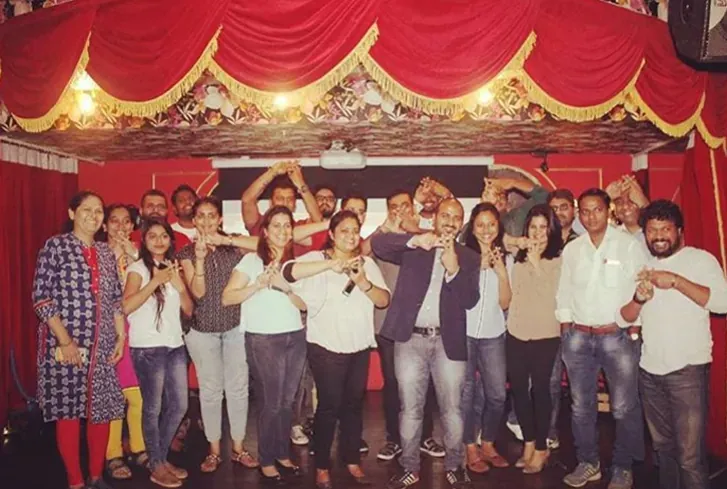
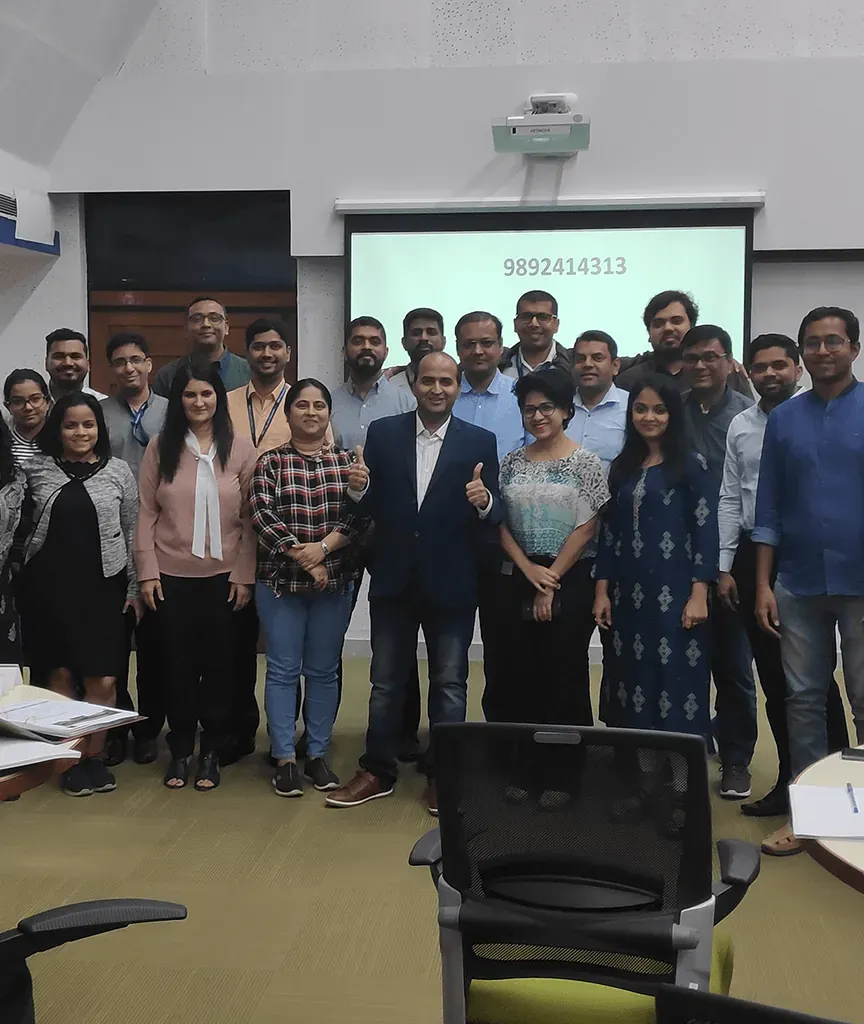
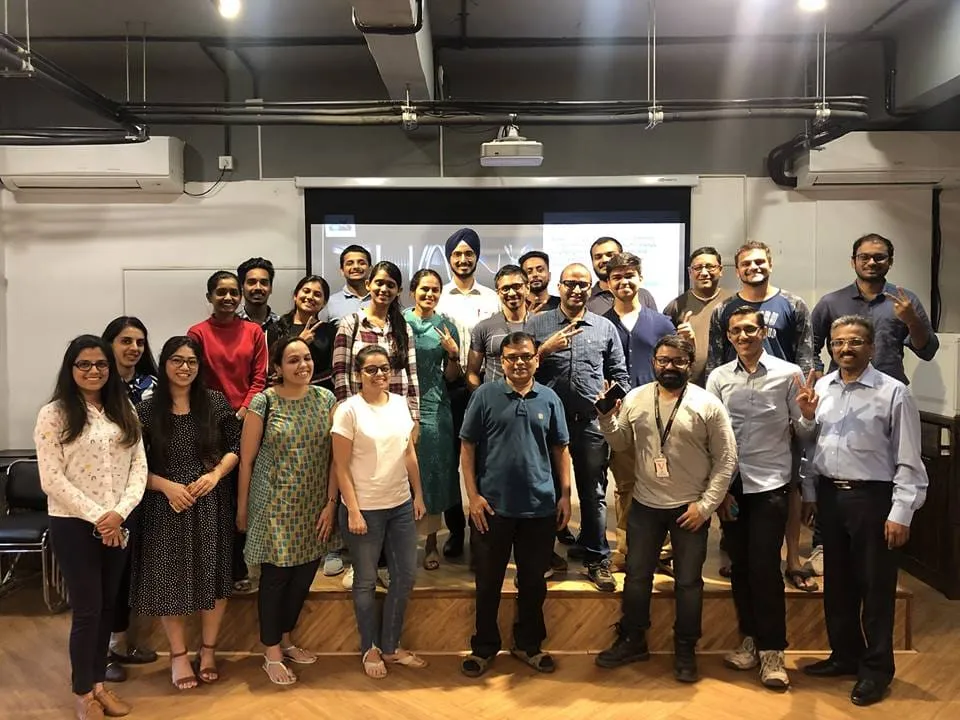
Hitesh Motwani leads every session. He holds the Anthropic Claude Certified trainer credential and is the author of Generative AI 360 (ZebraLearn). He has trained over 200,000 professionals, including executive programmes at IIM Bangalore and corporate teams across India, the Gulf and beyond. The photographs here are from past workshops he ran in person.
Questions
Bolivia: frequent questions
Is Claude blocked or restricted in Bolivia?
No. Bolivia is on Anthropic’s list of supported countries as of November 2026. Check the list on anthropic.com when you sign up.
How do Bolivian companies pay for it?
By card, in US dollars. Speak to your bank first about limits on international card payments, since these have varied.
If Bolivia has no data protection law, can we upload anything?
No. The Constitution protects privacy through the Acción de Protección de Privacidad, the ICT rules require consent, and your sector regulator and client contracts add their own duties. Keep personal data out unless you have consent and a clear reason.
Is a data protection law coming?
Drafts have been discussed for years and none had been enacted when we checked. A company policy based on consent and anonymisation will hold up whatever the final text says.
Does Claude write in Quechua, Aymara or Guaraní?
Only at a basic level and with errors. For those languages, use a native speaker and treat Claude’s text as rough notes.
Will the trainer speak Spanish?
Sessions are delivered in English. Participants can prompt in Spanish, and Claude answers in Spanish.
Our internet connection is uneven outside the main cities. Is that a problem?
Claude needs a stable connection but not a fast one, since it mostly sends text. For the live session, join from an office with reliable video and keep cameras optional.
What does a programme cost?
We quote per session or per programme in US dollars after a short call. There is no per-person fee.
Plan Claude training for your team in Bolivia
Tell us the size of the group, the city, and the documents your people spend the most time on. Within one working day you receive a proposed format and dates in Bolivia time.