Home / Locations / Claude AI in Peru
Claude AI · Peru · Checked November 2026
Claude AI in Peru: access, Law 29733, the AI regulation and team training
Peruvian companies now work under two sets of rules that touch any AI tool: a rewritten data protection regulation in force since 2025, and an AI regulation in force since January 2026. So the questions we hear from Lima are practical. Can we buy Claude, how good is its Spanish, and what may our people put into it? This page covers those, then our live training for teams in Peru.
Enquiries
Tell us about your team in Peru
Share the team size, the departments and one task that eats too many hours. We come back with a format and dates in Lima time (UTC-5).
Reply within one working day. No sales sequence, no mailing list.
Quick answer
Does Claude work for a company in Peru?
Availability. Peru is on Anthropic’s published list of supported countries, which we checked in November 2026. Anthropic edits that list from time to time, so look at anthropic.com/supported-countries again before you sign up.
Paying. Anthropic prices its plans in US dollars and charges a card. There is no price in soles, so your bank converts each monthly charge. Finance teams usually want the invoice in the company name from the first month, so create the account with a company email.
Spanish. Claude reads and writes Spanish at a professional level. It does not write Peruvian Spanish unless you ask for it, and it is weak in Quechua and Aymara. More on that further down.
Rules. Two texts matter: the Personal Data Protection Law (Law 29733) with its new regulation, and Law 31814 on artificial intelligence with its own regulation. Both are summarised in the next section.
Peruvian rules
Law 29733, its 2025 regulation and the AI law in plain terms
Personal data. Law 29733 dates from 2011. Its original 2013 regulation was replaced by Supreme Decree 016-2024-JUS, published in El Peruano on 30 November 2024 and in force since the end of March 2025. The new text reaches companies outside Peru that handle data of people in Peru, creates the role of Personal Data Officer (Oficial de Datos Personales) for defined cases on a phased timetable, and requires serious security incidents to be reported to the National Authority for Personal Data Protection, which sits in the Ministry of Justice and Human Rights.
For a Claude rollout the point is simple. Pasting a customer list into a tool hosted abroad is a cross-border flow of personal data under this law. It needs a legal basis and it needs to be documented, the same as any other foreign cloud service you use.
Artificial intelligence. Law 31814, passed in 2023, promotes AI use for economic and social development. Its regulation, Supreme Decree 115-2025-PCM, was published on 9 September 2025 and entered into force on 22 January 2026. It sorts AI systems into prohibited, high-risk and acceptable-risk uses. Systems that decide on selecting, evaluating, hiring or dismissing workers are named as high risk, which means human oversight and clear prior information for the people affected. The Secretariat of Government and Digital Transformation at the PCM supervises, and referrals go to bodies such as the data authority or INDECOPI. Duties arrive in stages by sector and organisation size, so ask your counsel which date applies to you.
We are trainers, not your legal counsel. Read the decrees in El Peruano or take advice before you set policy.
Keep out of Claude
DNI numbers, health records, payroll files with names, and biometric data. Also any CV screening where Claude would make the hiring decision instead of a person.
Anonymise, then use
Customer complaints, call transcripts and CRM exports. Swap names, DNI and phone numbers for codes before upload.
Low risk
Published SUNAT and SBS rules, tender documents, technical reports, contracts with business parties, and internal procedures, on a Team or Enterprise plan.
Industries
Where Peruvian teams put Claude to work
Peru’s economy leans on copper, export farming, fishing and a concentrated banking sector in Lima. These are the tasks we would build exercises around for each.
Copper and gold mining
Condensing long environmental and technical studies for management, comparing contractor bids against a scoring sheet, and turning shift safety reports into a weekly summary with open actions.
Agro-exports from Ica, La Libertad and Piura
Reading buyer specifications for blueberries, grapes and avocados, reconciling them with packing records, and drafting replies to quality claims from importers in English.
Banks, insurers and AFPs
Mapping new SBS resolutions to internal policies, summarising credit files for committee, and drafting customer letters that a compliance officer then approves.
Fishing and fishmeal
Summarising season rules and quota notices from the Ministry of Production, and preparing export documents and certificates checklists for buyers in Asia and Europe.
Ports and logistics in Callao and Chancay
Comparing freight quotations, extracting key terms from service contracts, and writing clear delay notices for customers.
Tourism in Cusco and Lima
Itinerary drafts and guest replies in English, Portuguese, French or German, always read by a person before sending.
Example workflow
A commitments register for a mine’s community relations team
This is an illustrative exercise from our sessions, not a client case study. A mining company’s community relations team holds dozens of meetings a year with nearby communities. Every meeting produces signed minutes (actas) with promises: a road repair, a water study, local hiring targets. Two years later nobody can say quickly which promises are still open.
The team removes personal names and DNI numbers from the minutes, then loads them into a Claude Project with one instruction: list every commitment, the date, the responsible area, the deadline if stated, and the page where it appears. Claude returns a table in Spanish. Anything ambiguous goes into a separate list for a person to read.
The community relations manager checks the table against a sample of minutes before trusting it. What the team gains is a first complete register in a day instead of a month, and a habit of asking for page references on every extracted fact.
Language
Spanish, Peruvian usage and Quechua: an honest view
Claude’s Spanish is strong enough for contracts, board reports and customer letters. Left alone, it writes a neutral international Spanish and sometimes picks terms from Spain or Mexico. Tell it the reader is in Peru, give it two or three of your own documents as a style sample, and name the local terms you expect, such as RUC, planilla or boleta.
Legal and tax drafting still needs a Peruvian professional to review it. Claude can cite an article number that sounds right and is wrong.
Quechua and Aymara are a different story. Output is unreliable, and we would not send it to a community or a public office without a native speaker rewriting it.
Our sessions are delivered in English. Participants are free to prompt in Spanish and work on Spanish documents throughout, and it helps to have one bilingual colleague in the group.
Formats
Training formats for teams in Peru
Live online in Lima time
Peru stays on UTC-5 all year with no daylight saving. We run sessions as half-day blocks inside the Lima working day, with gaps between blocks so people try things on real work.
Leadership briefing
A short session for the management committee: what Claude does well, where it fails, what the two regulations mean for a pilot, and which team should go first.
Onsite by arrangement
In-person delivery in Lima is possible for larger groups. It depends on travel planning, so we discuss dates on the first call.
Part of a regional group? We also train teams in Ecuador and Bolivia, and Peruvian subsidiaries of Spanish groups often join the same programme as their colleagues in Spain.
Your trainer
The person teaching your team
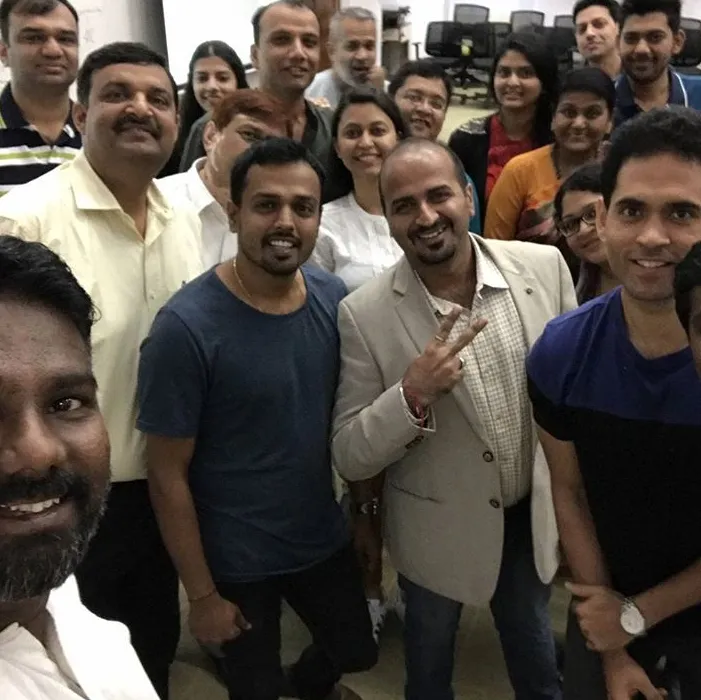
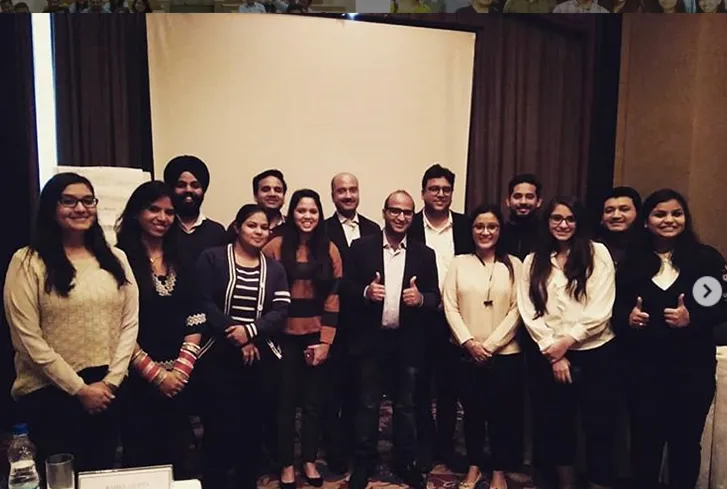
Sessions are taught by Hitesh Motwani, an Anthropic Claude Certified trainer and the author of Generative AI 360 (ZebraLearn). He has trained 200,000+ professionals, including executive programmes at IIM Bangalore and corporate teams across India, the Gulf and beyond. These photos come from his earlier in-person sessions in India.

FAQ
Questions from Peruvian teams
Is Claude officially available in Peru?
Yes. Peru appears on Anthropic’s supported countries list as of our November 2026 check. Confirm on anthropic.com before buying, since the list is updated.
Can we be billed in soles?
No. Anthropic charges in US dollars to a card. Your bank applies the exchange rate on each charge.
Does the 2025 data protection regulation stop us from using Claude?
It does not ban foreign AI tools. It does treat sending personal data abroad as a cross-border flow that needs a legal basis and records. The safe starting rule is to keep personal data out, or anonymise it first.
We want Claude to screen CVs. Is that allowed?
Peru’s AI regulation names systems that decide hiring, evaluation and dismissal as high risk. Use Claude to summarise and structure applications if candidates are informed, and keep the decision with a person. Check the details with your labour lawyer.
Will Claude write in Peruvian Spanish?
It will if you ask and show it examples. Without guidance it writes neutral Spanish with occasional foreign terms.
Can it handle Quechua?
Only roughly. Treat any Quechua output as a draft for a native speaker, not as finished text.
Are sessions held in Spanish?
Sessions are delivered in English. Participants can prompt in Spanish and use their own Spanish documents in every exercise.
How do you price training for a Peruvian company?
By session or programme, quoted in US dollars after a short call about group size and goals. We do not charge per seat.
Plan Claude training for your team in Peru
Send us the headcount, the areas involved and the reports or reviews you would like done faster. You get a proposed format and dates in Lima time within one working day.